Introduction
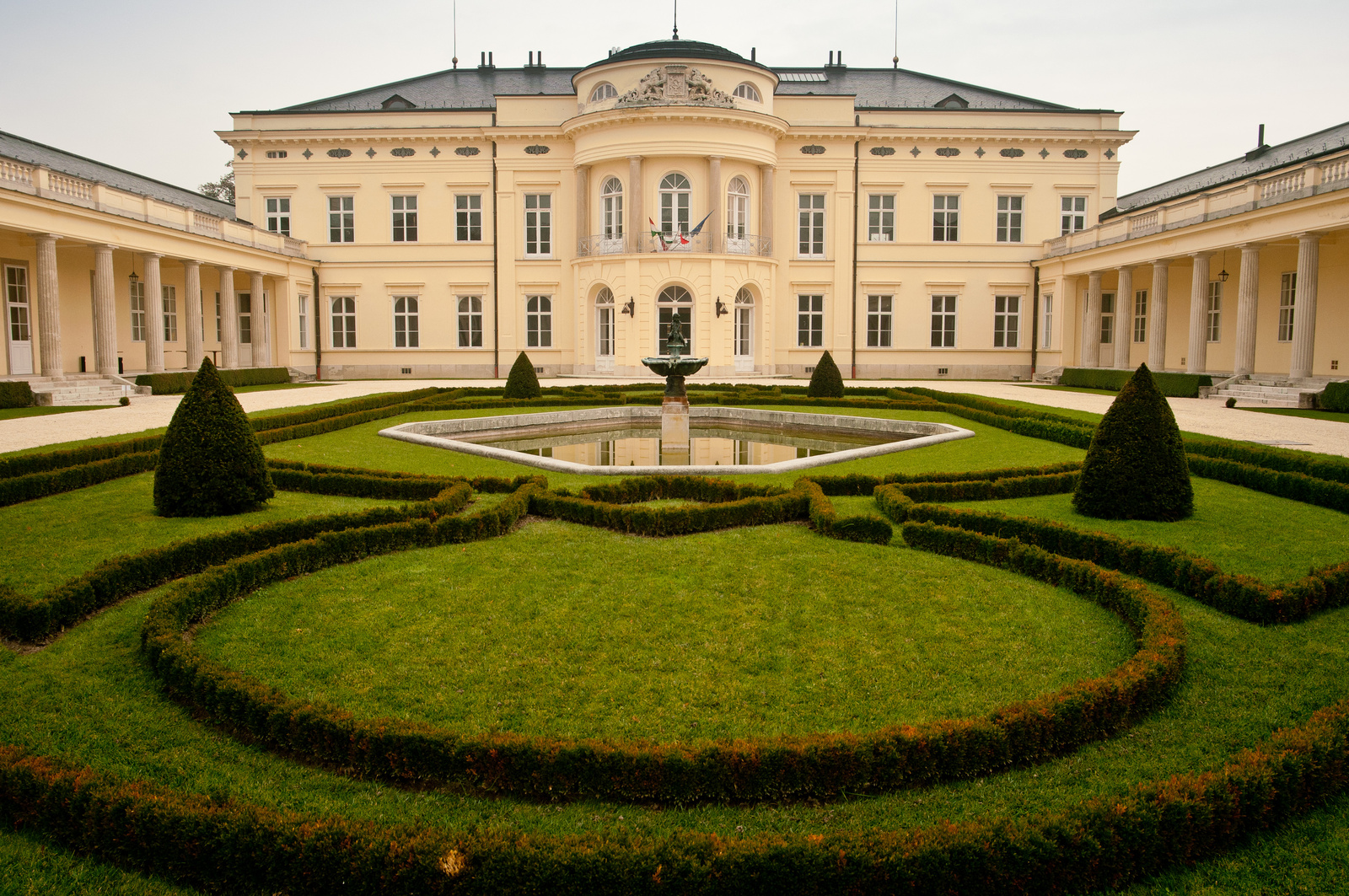
The Károlyi Chateau, nestled in the picturesque landscapes of Hungary, is a monumental estate with a rich narrative woven into the cultural fabric of the nation. Initially established by Count Georges Károlyi in 1834, this historical gem has undergone numerous transformations, reflecting the opulence and turbulence of different eras. Today, it stands not only as a testament to architectural grandeur but also as a beacon of heritage preservation, offering insights into the aristocratic lifestyle of the past.
The Károlyi Legacy: Early Beginnings
Count Georges Károlyi laid the foundation of the chateau in the early 19th century, aiming to create a residence that symbolized wealth and status. Over the years, the estate was expanded and embellished with exquisite architectural details that highlighted the artistry of the era. This period marked the chateau’s evolution into a hub of aristocratic society, hosting numerous social events that shaped its legendary status.
Turn of the Century Modifications
In the early 20th century, Count Joseph Károlyi introduced significant changes to modernize the grand estate. These renovations included the integration of contemporary amenities that enhanced its luxury and functionality. The architectural revisions during this era not only preserved the chateau’s historical essence but also ensured its relevance to changing times, making it a blend of tradition and modernity.
Turbulence and Transformation: The Mid-20th Century
The mid-20th century was a period of profound change for the Károlyi Chateau as it was nationalized post-World War II. The estate was repurposed for various public functions, which, while ensuring its continuous use, led to a gradual decline in its condition. This phase in its history reflects the broader socio-political upheavals occurring in Hungary during the time.
Rebirth and Restoration
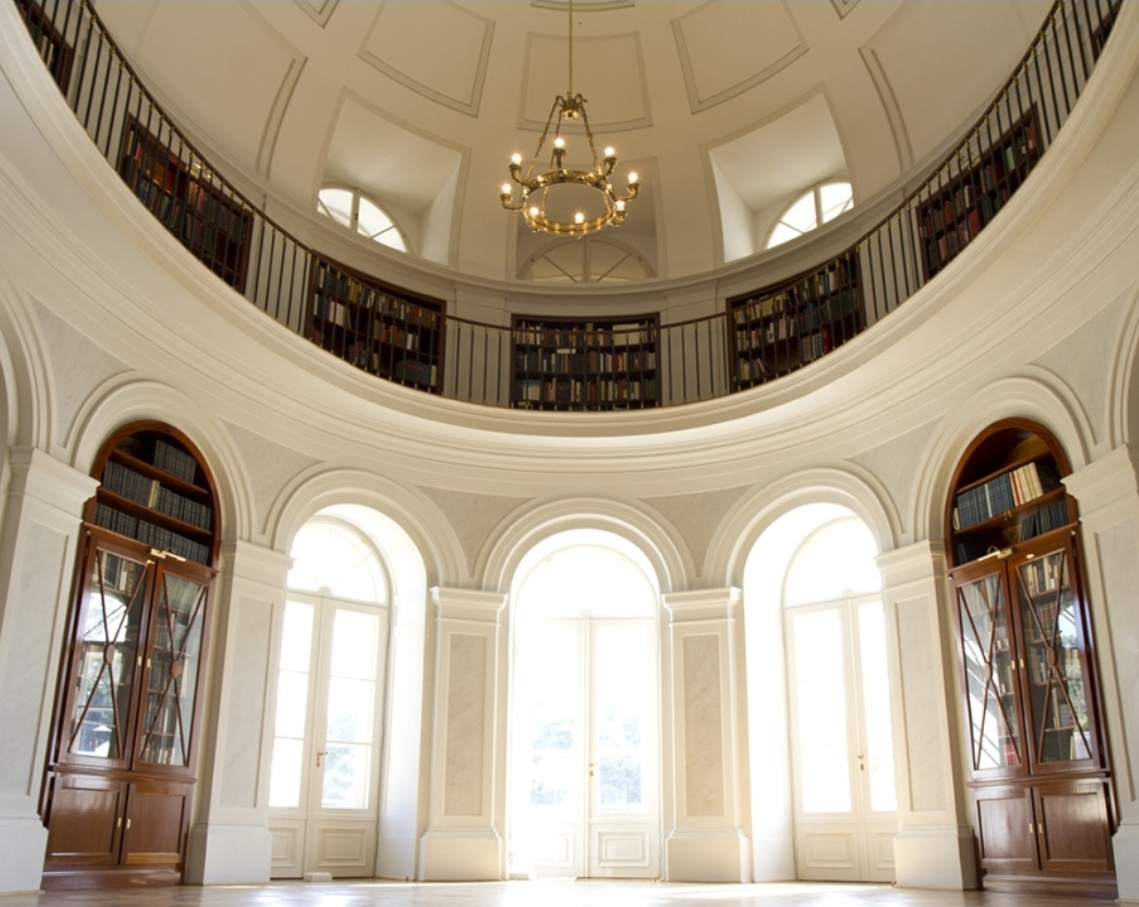
The late 20th century marked a turning point with the Károlyi family reclaiming their ancestral home. A meticulous 15-year restoration project, completed in 2011, restored the chateau to its former glory. This project, supported by both the Hungarian government and the European Union, was a monumental effort in cultural preservation, reviving the estate as a historical landmark.
The Chateau Today
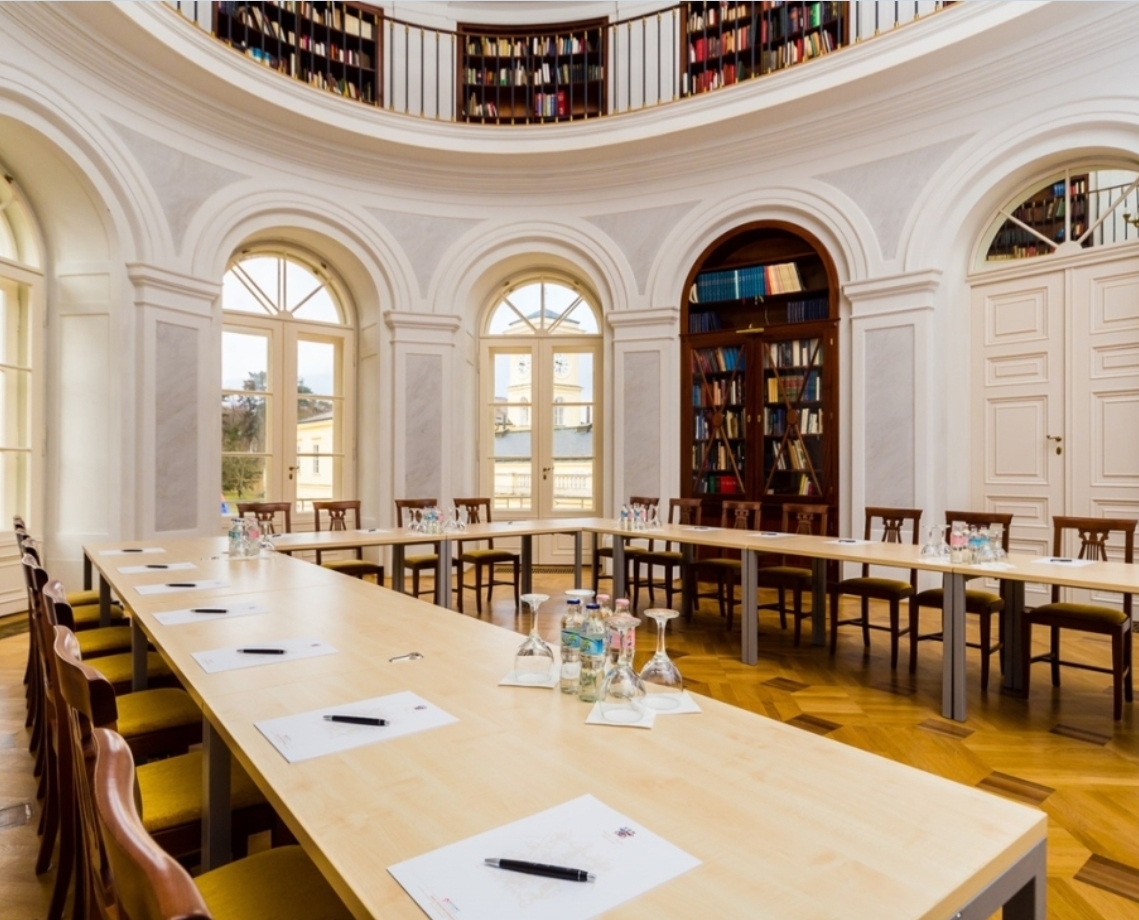
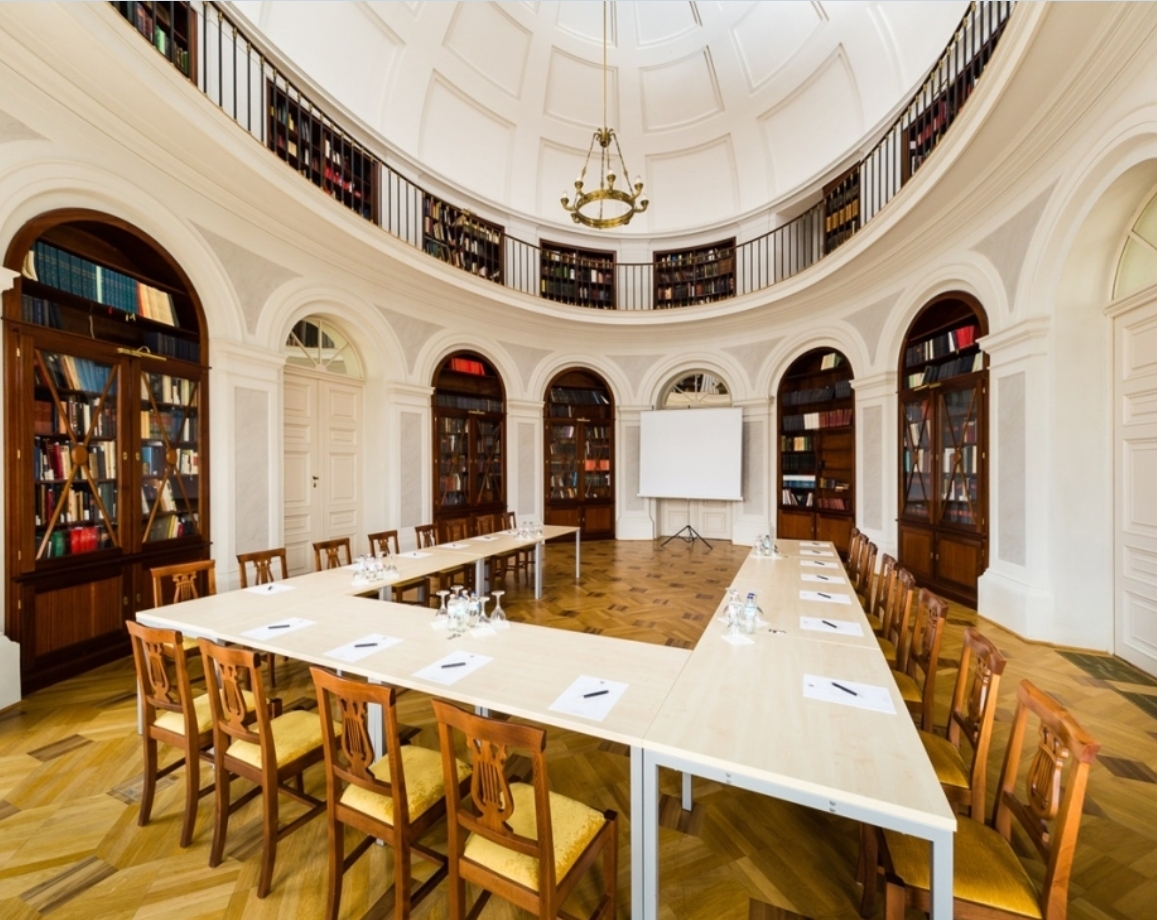
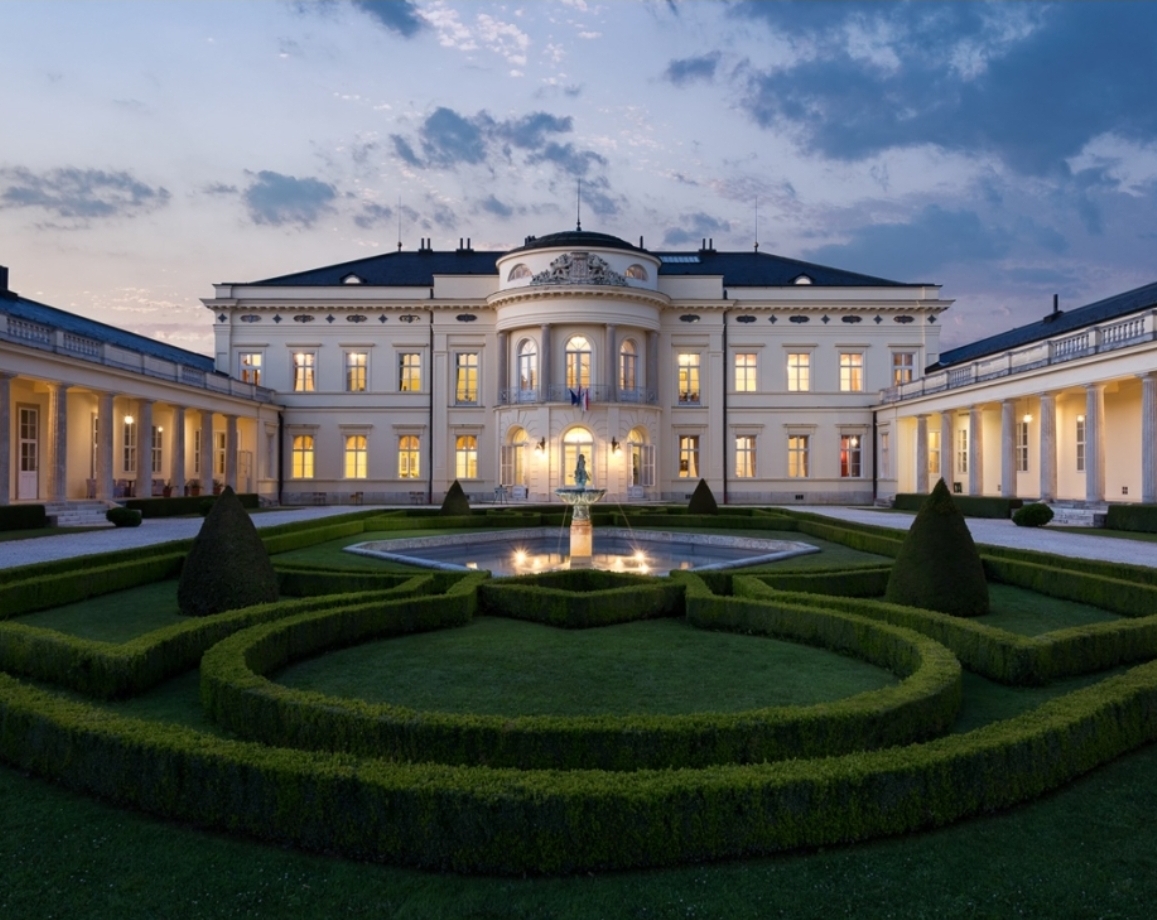
Today, Károlyi Chateau thrives as a cultural and tourist destination, enriched with events that celebrate Hungarian heritage. It offers visitors a glimpse into its glorious past through well-preserved rooms and lush gardens, now accessible to the public. The estate also serves as a venue for various cultural events, exhibitions, and conferences, thus continuing its legacy as a center of social and cultural activity.
Conclusion
Károlyi Chateau’s history is a vivid narrative of elegance, adversity, and resurgence. Its ongoing preservation efforts ensure that it remains a vital part of Hungary’s cultural landscape. As it stands today, the chateau not only commemorates the legacy of the Károlyi family but also serves as a symbol of the enduring spirit of historical preservation.